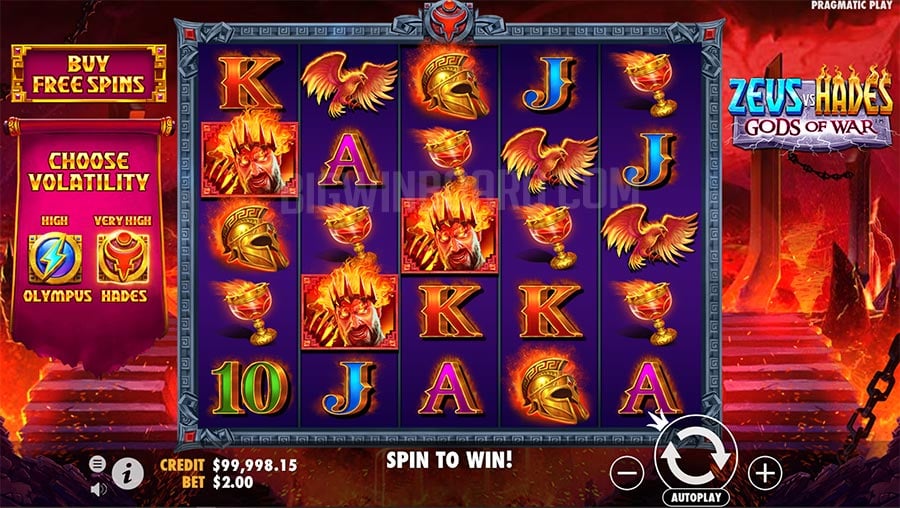

Playing Zeus vs Hades Slot means more than just clicking the spin button. Your stake management matters just as much as the symbols appearing. Too many players are attracted by the game’s impressive visuals and engaging mechanics, only to burn through their money far too quickly. Good stake management transforms that. It turns you into a planner, not just a bystander, transforming every session into a thoughtful exercise. The guidance offered stems from practical gameplay, and it will extend your playtime, enjoy the game more, and drastically alter how you approach this high-variance slot. The objective is to build the discipline that turns those legendary payouts a lasting reality.
Using Bonus Features for Improved Stake Control
The bonus rounds in Zeus vs Hades are beyond just win opportunities. They are methods for managing your session. I treat them as checkpoints. Triggering any bonus, even a modest one, can often refill my bankroll a bit and buy me more playing time. My method includes a specific goal for bonus wins. For example, I might determine that any bonus win over 50 times my bet permits me to “bank” some of that profit. I then lower my next few bets, effectively locking in those gains. This transforms the bonus features into strategic supports for a longer session, rather than just aiming for one life-changing spin.
Common Stake Management Mistakes to Prevent
The majority of players damage their own chances by doing a few typical errors. Spotting these mistakes is the first stage to evading them. The first is the pursuit. After a bonus round pays out less than expected, players often increase their bets in frustration, attempting to engineer a win. The second blunder is not defining firm win and loss boundaries before you commence. Without these, you have no clear finish line, and emotion takes over. The third mistake is betting too much of your bankroll on a single spin, which sharply heightens your risk of going bust fast. Hold this set of rules close to shield your funds:
- Do not alter your pre-defined unit value in the heart of a session because you have a good feeling.
- Refrain from moving to the maximum bet after a few setbacks. That’s betting with your gut, not your logic.
- Never disregard your stop-loss cap. If you reach the loss sum you decided on beforehand, find the discipline to quit.
- Refrain from betting all your bonus winnings back. Always reserve a share as secured profit.
Grasping Stake Management for Slot Games
Stake management is about controlling your bet sizes depending on the money you have set aside. View it as a financial plan for your gameplay. It keeps emotion from taking over when the reels start moving. Handled well, this isn’t about limiting your fun. It’s about providing you with control. A solid plan enables you to survive a run of bad luck without panic, and it stops you from getting carried away when you’re winning. For a slot like Zeus vs Hades, with its two different bonus modes and potential for big swings, having this plan isn’t optional. I’d contend it’s the most crucial skill you can learn, more valuable than any belief in lucky spins or perfect timing.
Bringing It All Together: Your Game Plan
Let’s shape these ideas into a clear plan for your next go at Zeus vs Hades. To begin, fix your absolute bankroll. This is money you can comfortably lose. Next, split that bankroll into 100 units to establish your base bet size. Next, set strict session limits: a loss limit (like 50% of your bankroll) and a win goal (like a 50% profit). Fourth, select your starting bet, staying between 1 and 5 units. Finally, maintain consistency. Only modify your bets based on the rules you set at the start, not on how you feel in the moment. In the end, when you achieve either your win goal or your loss limit, collect your winnings and stop playing. This structured approach removes the chaos from gameplay. You remain in control, and the game remains fun.
The Unit System: A Tested Stake Management Approach
A technique I view as trustworthy is the unit system. It ties your bet size to a percentage of your bankroll, not a set cash amount. One unit generally equals 1% of your total session funds. So, if your bankroll is $100, one unit is $1. My general advice for Zeus vs Hades is to bet between 1 and 5 units on each spin, depending on how much risk you desire. This approach automatically adapts your stakes to your remaining funds and establishes a natural stopping point. It also provides a mental cushion. Losing 10 units comes across like a tactical loss, not a personal financial blow. The system operates because it’s easy and flexible, providing you with clear rules even when the game appears unpredictable.
Expert Strategies for Seasoned Players
If you’re comfortable with the basics, certain subtle methods can give you more control. One I use is called ‘staking up.’ Once I’ve established a solid profit buffer, say a 50% increase on my starting bankroll, I may adjust my unit size based on the new, higher total. This facilitates slightly larger bets while still protecting my original capital. The opposite, ‘staking down’ after losses, is equally crucial. A further sophisticated technique is session segmentation. Rather than a single extended session, I split my total bankroll for several shorter ones. This assists with handling tiredness and the poor decisions that result from it. In Zeus vs Hades, you can also monitor the progress meters for the bonus features to guide small bet adjustments, but don’t place too much weight into short-term patterns.
Establishing Your Bankroll: The Foundation of Smart Play
Your bankroll is your fuel for the entire session. Defining it is the first and most important step. Determine this amount before you even open the game. It should be money you are fully prepared to lose, with no effect on your bills or essentials. Once you set it, that number is fixed. You don’t add to it halfway through because you’re frustrated or think a win is due. For Zeus vs Hades, I suggest starting with a larger bankroll than you might for a calmer slot, precisely because its dry spells can be longer. This starting capital guides every bet you make. Safeguarding this foundation is critical. It keeps the game fun and stops you from chasing losses, a habit that ruins many players’ nights.
Modifying Stakes According to Game Volatility
Zeus vs Hades has inherent volatility shifts, and your betting should recognize that https://zeusvshades.org/en-gb/. The base game and the two bonus features don’t play the same way. I modify my approach for each. During the standard base game, where wins can be scarce, I often maintain my bet on the lower end of my unit range to preserve my bankroll. If I decide to use the ante-bet feature to hunt for bonuses, I consider that higher cost per spin in my calculations. The key moment comes when a bonus round triggers, notably the high-variance Hades Hell Spins. The temptation is to boost your bet, hoping for a huge payout. I combat that urge. Staying steady, even when things get thrilling, is what differentiates calculated play from impulsive gambling.
How Zeus vs Hades Slot Needs Smart Betting
This particular game has features that force you to think about your bets. Its split personality, presenting both Zeus Lightning Spins and Hades Hell Spins, signifies the game’s volatility varies based on your choices. Players who bet the same amount every time often miss this point. The opportunity for a massive win is certainly there, but you can go through long stretches without a decent payout, which will eat through an unprepared budget. Then there’s the ante-bet option, which increases your chance of triggering a bonus but also increases your cost per spin. If you don’t have a strategy for these elements, you’re leaving the length of your session entirely to chance. That’s never a good plan.